Ask a Kid-Friendly Dentist: Minimizing the Dental Effects of Thumb Sucking
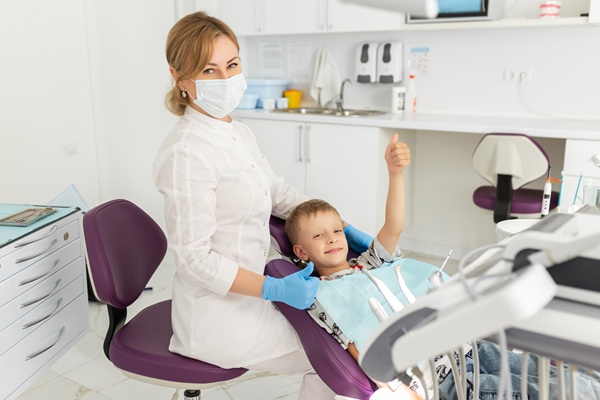
A kid friendly dentist can spot signs that a thumb-sucking habit may affect a young child’s teeth or bite. For many babies and toddlers, sucking their thumb provides comfort and can be a natural way to settle them down. However, thumb sucking that continues for several years may affect their tooth alignment, bite, or the shape of the roof of the mouth. Knowing what to watch for can help you decide when it is time to talk with a dental professional.
How thumb-sucking affects teeth
For babies and young children, thumb sucking is a simple way to calm themselves or fall asleep. Many children stop on their own as they get older. In these cases, there is usually no reason for parents to worry about their oral development. The concern comes when thumb sucking continues for several years, particularly once the child’s permanent teeth start to appear.
Regular pressure from a thumb can affect the way the child’s teeth line up and may change the shape of the roof of their mouth. Some children may develop an open bite, in which the front teeth do not touch when their mouths close. Thumb-sucking can also affect the position of the upper front teeth or the way the upper and lower jaws fit together.
When parents should be concerned
There is no single age when every child must stop thumb sucking. Toddlers may still use the habit for comfort without major dental concerns. That said, the risk tends to increase when thumb sucking remains as the child gets older.
Parents may want to talk with a kid friendly dentist if their child still sucks their thumb after age four, particularly if they notice changes in the bite or tooth position. Rest assured, a dental visit does not have to turn into a lecture about quitting the habit. The dentist will take a calm approach, check the child’s teeth, and explain in simple terms what may happen if the child continues to suck their thumb.
How to encourage kids to stop sucking their thumb
Pressure and punishment can make the habit harder to break. A better approach is to figure out when and why thumb sucking happens. For example, if it happens at bedtime, a consistent bedtime routine may help. Meanwhile, if the parent notices that stress or boredom triggers the habit, a comfort item, quiet activity, or another way to relax may work instead.
A few simple strategies can help parents get their kids to stop sucking their thumb:
- Give praise when the child avoids thumb-sucking
- Use gentle reminders instead of scolding
- Offer a comfort item at bedtime
- Notice patterns of when the habit occurs
- Set small, realistic goals rather than expecting the habit to stop
The goal is not to shame a child. Rather, positive support can make the change feel manageable.
How a kid friendly dentist can help
A kid friendly dentist can look at tooth position, the bite, the roof of the mouth, and overall oral development. The right advice depends on the child’s age and how often the habit occurs. For some children, simple reminders and encouragement are enough. If thumb sucking continues and starts to affect the bite, the dental professional may discuss other options. In some cases, an oral appliance can help discourage the habit.
Stay focused on a healthy smile
Does your child still suck their thumb? Our kid friendly dentist is here to provide helpful tips to support you as you help them kick this habit. Protect your child’s smile by scheduling an appointment today.
Request an appointment here: https://www.trubrightdental.com or call Trubright Dental at (781) 241-4161 for an appointment in our Revere office.
Check out what others are saying about our dental services on Yelp: Kid Friendly Dentist in Revere, MA.
Related Posts
A kid-friendly dentist supports healthy habits, positive visits, and confident smiles from the first tooth forward. Parents often ask how to prepare children, what treatments to expect, and how to prevent cavities. These frequently asked questions provide clear guidance from a general, family, and pediatric care perspective, enabling families to choose the right kid-friendly dentist…
A broken tooth can happen at any time — during sports, while eating, or from an unexpected fall. Regardless of the cause, an emergency dentist can help. Through prompt treatment, these dental providers offer an effective way to relieve pain and protect oral health. An emergency dentist can also help prevent complications like infection, nerve…
Patients often ask about the importance of maintaining oral health before problems arise. A preventive dentist focuses on avoiding dental issues through proactive care, routine checkups, and education. This blog addresses some of the most frequently asked questions related to preventive dentistry.A preventive dentist works to help patients avoid oral health issues such as cavities,…
Professional dental care is an important part of keeping your teeth shiny and healthy. However, routine dental care at home can make the results last longer. Daily habits in between regular dental appointments support your long-term oral health and ensure a bright, confident smile.Consistent and effective daily cleaning is a foundation of routine dental care.…