Does Dental Insurance Cover Dental Crowns?
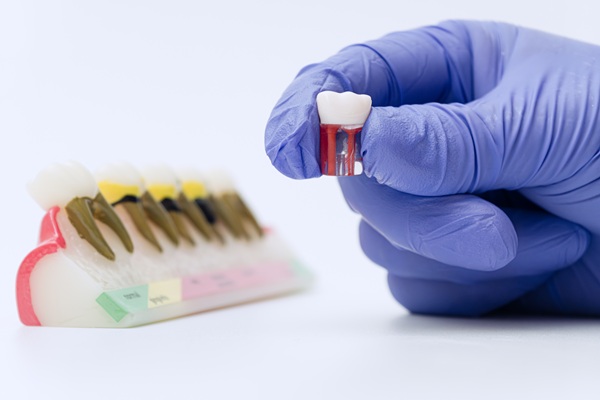
Are you wondering if your dental insurance covers dental crowns? These restorations are a common solution for severely damaged teeth, offering a durable, long-lasting way to restore function. However, the price tag is a valid concern for people on a budget or who want to get the most out of their benefits. If you need a way to protect a weak tooth or repair a large cavity, understanding the financial side of care is a helpful first step.
How dental insurance carriers classify dental crowns
Insurance companies group various treatments into specific tiers based on the complexity of the work. Dental crowns are almost always considered a major repair. This distinction is the primary reason why a plan may not pay the full cost of the restoration. While a policy often covers routine cleaning and other preventive services in full, a major service typically receives about 50% coverage; some plans may cover up to 80%. This structure means the patient pays the rest of the balance out of pocket. In many cases, the insurance carrier sets a maximum allowed fee for the procedure, which also limits the total benefit amount for the year.
Common policy limits for dental crowns
Several rules affect how much an insurance provider pays for dental crowns. These guidelines exist to control costs for the insurer. That said, they also change the final price for the patient. It is a good idea to review the policy’s specific terms before a scheduled visit with a chosen dentist. Policy terms to look for include:
- Annual maximum limits on benefits
- Waiting periods for major work
- Frequency limits on the same tooth
- Material restrictions
- Specific deductibles for restorative care
- Missing tooth clauses for new patients
- Pre-authorization requirements for approval
A pre-treatment estimate from the dentist provides a clear view of these factors, so there are no surprises during the payment process. This document lists the estimated insurance contribution and the expected patient portion for the visit.
Medically necessary vs. cosmetic crowns: an important distinction
Insurers cover dental crowns only when the work is medically necessary rather than elective. For example, if a tooth has a deep fracture or a large, failing filling, the dentist will need to provide proof to the insurance carrier, such as digital X-rays and a written explanation of the tooth’s condition. That said, if the goal of the treatment is purely cosmetic, the insurance provider will likely deny the claim. A focus on functional health increases the likelihood of plan approval. In-network providers also have the tools to submit this data quickly, speeding up the process.
The financial benefit of in-network care
The choice of a dental provider will also contribute to the total out-of-pocket cost. In-network dentists agree to set rates with the insurance company, resulting in lower overall prices for dental crowns than at an out-of-network office. When an office is in-network, the insurer pays its portion at a discounted rate, saving the patient more money on the remaining balance.
Get the most out of your dental insurance benefits
Navigating the cost of dental crowns is much easier when you have a professional team on your side. We work with many insurance plans and financial situations to help you get the dental care you need. Are you ready to restore your smile? Call our Revere office to discuss your dental crown coverage or to schedule a consultation.
Request an appointment here: https://www.trubrightdental.com or call Trubright Dental at (781) 241-4161 for an appointment in our Revere office.
Check out what others are saying about our dental services on Yelp: Dental Crowns in Revere, MA.
Related Posts
An implant crown restores chewing, speech, and smile balance, yet its longevity depends on daily care and smart habits. Unlike a natural tooth, the crown will not decay, but the surrounding gums and bone can develop inflammation called peri-implantitis. This condition weakens support and risks failure. However, consistent home care and routine professional maintenance help…
A kid friendly dentist can spot signs that a thumb-sucking habit may affect a young child’s teeth or bite. For many babies and toddlers, sucking their thumb provides comfort and can be a natural way to settle them down. However, thumb sucking that continues for several years may affect their tooth alignment, bite, or the…
Professional dental care is an important part of keeping your teeth shiny and healthy. However, routine dental care at home can make the results last longer. Daily habits in between regular dental appointments support your long-term oral health and ensure a bright, confident smile.Consistent and effective daily cleaning is a foundation of routine dental care.…
Clear aligners are becoming increasingly popular and many are choosing them over traditional braces. They offer a range of benefits, which include a discreet treatment option, the ability to remove them while eating and brushing teeth and faster treatment times on average. Learning more about how clear aligners differ from traditional braces and why so many…